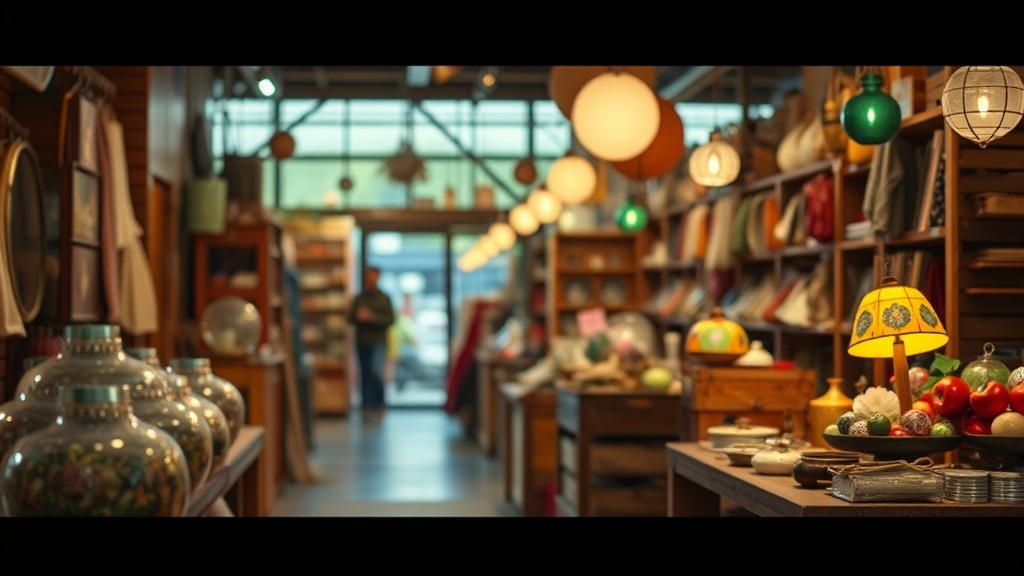
Finding Hidden Treasures at Thrift Stores and Garage Sales

Have you ever walked into a thrift store and felt like you were staring at a sea of junk rather than a goldmine? This guide covers the specific strategies for identifying high-value collectibles—specifically ceramics, bottles, and small accessories—at garage sales and thrift shops. Knowing what to look for saves you time and prevents you from buying heavy, low-value items that just clutter your shelves.
Finding quality pieces requires a shift in mindset. You aren't just a shopper; you're a scout. Instead of looking for "stuff," you're looking for specific marks, weights, and textures that signify a true collectible. Whether you want to expand your iconic Tiki mug collection or find vintage glass bottles, the hunt is all about the details.
How Do I Spot High-Value Ceramics at Thrift Stores?
You can spot high-value ceramics by looking for specific manufacturer marks, weight-to-size ratios, and hand-painted details. Most mass-produced ceramics feel light and "tinny," whereas high-end pieces—like vintage Polynesian-themed pottery—have a certain heft and a more complex glaze. Don't just glance at the front; flip the piece over immediately.
The bottom of a vessel is where the truth lies. A plain, unbranded bottom often means a piece is modern or low-end. However, a maker's mark or a "Made in..." stamp can change everything. Look for signs of hand-finishing, such as slight irregularities in the glaze or hand-painted facial features on a mug. These aren't flaws—they're evidence of craftsmanship.
When you find a piece that looks promising, check for "crazing." This is a network of tiny cracks in the glaze. While some collectors love this look, in a thrift store setting, it can indicate a structural weakness. Use your eyes to scan for these fine lines. If the piece feels too light for its size, it's likely a cheap reproduction rather than a heavy-duty collectible.
Keep an eye out for these specific indicators:
- Weight: High-quality ceramic should feel substantial in your hand.
- Glaze Consistency: Look for depth in the color—avoid flat, one-dimensional finishes.
- Maker's Marks: Even if the name is worn, a stamped or incised mark is a great sign.
- Texture: Feel for relief carvings or embossed patterns that add tactile value.
What Should I Look for When Hunting Vintage Bottles?
Search for unique glass shapes, specific colorations, and embossed text to identify collectible vintage bottles. Most valuable bottles have distinct characteristics that set them apart from modern, clear glass containers found in grocery stores. You're looking for "character"—bubbles, ripples, or slight color tints in the glass.
The color of the glass is a huge giveaway. Cobalt blue, amber, and deep emerald greens are often more desirable than standard clear glass. If you see an old apothecary bottle or a vintage soda bottle with a unique shape, don't ignore it. These often represent a specific era of manufacturing. For example, glassblowing techniques used in the 19th and early 20th centuries produced much more character than modern machine-made glass.
Check the neck and the finish of the bottle. Is it a hand-blown style? Does it have a heavy, thick rim? These are markers of age. A modern bottle is usually perfectly symmetrical and uniform. A vintage bottle will have those charming imperfections that make it a centerpiece. (Just be sure to check for any residue or cracks before you buy!)
Here is a quick comparison of what to look for in glass vs. ceramic:
| Feature | Ceramic/Pottery | Glass/Bottles |
|---|---|---|
| Primary Indicator | Maker's marks & glaze depth | Color tint & glass thickness |
| Common Flaw | Crazing or chips | Cracks or "stress lines" |
| Value Driver | Hand-painted details | Unique silhouette/shape |
How Can I Find Small Collectibles and Accessories?
Focus on brand-name quality and material composition to find high-value smalls like caps, pins, or metal trinkets. Small items are easy to miss because they are often tucked away in junk drawers or cluttered bins. You have to look past the "trinket" label to see the potential value of a well-made accessory.
If you're looking for vintage caps or small metal items, check the hardware. Is the zipper metal or plastic? Is the fabric heavy or flimsy? For collectors of "smalls," the material is everything. A heavy brass pin or a high-quality embroidered cap will hold its value much better than a cheap, modern version. It's a small detail, but it's what separates the junk from the gems.
Don't be afraid to dig through the "odds and ends" bins. Often, the best small collectibles are placed in the wrong section. A high-end ceramic bead or a vintage metal charm might end up in a bin of old jewelry or sewing supplies. This is where the real profit—or the real joy of finding a "lost" piece—happens.
When searching for smalls, remember these three rules:
- Check the Material: Is it metal, high-quality resin, or cheap plastic?
- Look for Branding: Even on a small scale, logos and brand names matter.
- Inspect the Integrity: Small items can break easily; check for bent pins or cracked edges.
One thing to keep in mind: many people overlook small items because they don't take up much space. But for a collector, space is the most valuable commodity. A tiny, perfectly preserved piece of history can be just as meaningful as a giant ceramic statue. If you find a piece that catches your eye, check the back or the underside immediately. There's often a hidden detail that confirms its quality.
The thrift store hunt is a game of patience. You won't find a masterpiece every time you walk through the door. Most days, you'll find things that are just... fine. But when you do stumble upon a hand-painted ceramic vessel or a heavy, cobalt blue bottle, it feels like a win. It’s the thrill of the find that keeps us coming back. Keep your eyes peeled for those weight changes and texture shifts—they're your best friends in the hunt.
Steps
- 1
Scan for weight and texture
- 2
Check for crazing and cracks
- 3
Research the maker's mark
- 4
Verify authenticity with experts