6 Iconic Tiki Tropes Found in Modern Ceramic Art

The Volcanic Eruption Motif
The Deep Sea Monster
The Wayfinder and Navigator
The Tropical Flora and Fauna
The Mystical Deity Archetype
The Nautical Explorer
Have you ever looked at a modern ceramic mug and felt a sense of déjà vu? You aren't imagining it. The modern tiki revival isn't just making new shapes; it's leaning heavily into the visual language established by the mid-century masters. This post examines the six most common tropes found in contemporary ceramic art—from specific deity archetypes to texture techniques—and explains why these motifs continue to dominate the collector market.
What are the most common tiki tropes in modern ceramics?
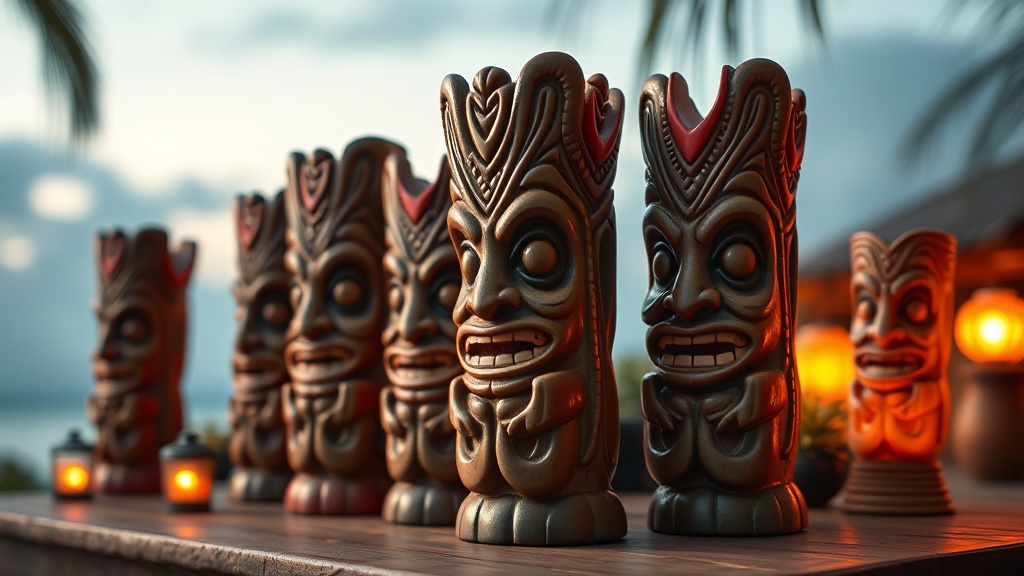
Modern ceramicists frequently rely on three core pillars: mythological archetypes, exaggerated facial expressions, and high-relief textures. When you look at a new release from a studio like Tiki Mugs and More or similar high-end boutiques, you'll see these patterns repeated. It's a way to signal "authenticity" to the collector, even if the piece was fired just last month.
The most frequent tropes include:
- The "Angry" Deity: Most modern mugs feature furrowed brows and bared teeth. It's a way to create drama in a photo.
- Tropical Flora: Hibiscus, palm fronds, and monstera leaves are the standard backdrop for almost every "island" themed vessel.
- The "Crackle" Glaze: That fine network of lines used to make a piece look 70 years old.
- Anthropomorphic Animals: Think monkeys, parrots, or even cats wearing Hawaiian shirts.
- High-Relief Carving: Deep grooves that make the ceramic look like it was hand-carved from wood.
- The "Earth Tone" Palette: A reliance on browns, deep greens, and ochre to mimic aged clay or weathered wood.
These tropes aren't just for show. They serve a purpose in the secondary market. Collectors often seek out pieces that look "vintage" because the aesthetic carries a certain prestige. It's a bit of a paradox—we want something brand new, but we want it to look like it's been sitting in a dusty shipwreck for decades.
Why do modern makers use the "Crackle" glaze effect?
Modern makers use crackle glazes to mimic the natural aging process of older, more fragile ceramics. In the mid-century era, temperature fluctuations and material impurities often caused spontaneous crazing. Today, artists use specific cooling techniques to intentionally induce these cracks. It adds a layer of perceived history to a brand-new piece.
If you're a collector, you need to know the difference between "intentional" crackle and "damage" crackle. Intentional crackle is part of the art. Damage crackle—often called crazing—can sometimes lead to structural issues if the piece is used for hot liquids. If you're worried about the longevity of your pieces, you might want to look into how to clean and care for your mugs to ensure the glaze remains intact.
It's a fine line. A little bit of texture is great, but too much can make a piece feel cheap or poorly made. The best artists, however, master the art of the "controlled aged look." They want you to see the history, even if it's a manufactured one.
Here is a breakdown of how these tropes manifest in different styles of ceramic art:
| Trope Category | Visual Element | Common Purpose |
|---|---|---|
| Mythology | Aggressive facial expressions | Creates a "heroic" or "intimidating" presence on a bar shelf. |
| Nature | Exaggerated tropical foliage | Softens the look of heavy, dark-colored ceramics. |
| Wood-grain or stone-grain | Mimics the look of hand-carved organic materials. | |
| Color | Weathered/Faded tones | Simulates the sun-bleached look of beach-side decor. |
How can you tell if a mug is "New-Vintage" or truly vintage?
You can tell by looking for the absence of "organic flaws" and the presence of "perfected imperfections." Truly vintage pieces often have irregular weight distributions or slight glaze imperfections that weren't part of a design choice. Modern "new-vintage" pieces are often too symmetrical or use highly consistent, repeatable patterns.
Check the bottom of the vessel. Most modern makers will include a clear, stamped brand or a maker's mark. While some vintage pieces have marks, they are often much more rudimentary. A clean, perfectly centered, and high-relief brand is a massive giveaway that the piece is a modern production. (Don't get me wrong—I love a good modern piece—but knowing what you're buying is part of the fun.)
One thing to watch out for is the weight. Modern ceramics can sometimes feel "too perfect." A vintage piece often has a certain heft that feels slightly off-balance due to the primitive molding techniques used in the 1950s and 60s. If a mug feels incredibly heavy but has a very smooth, consistent interior, it's likely a modern high-end production. To understand the nuances of value, you should learn how to spot valuable tiki mugs before you spend too much at a convention.
It's also worth noting that the "crackle" in modern pieces is often very uniform. In real vintage pieces, the crazing might be irregular or concentrated in certain areas due to heat stress. If the crackle looks like a perfect geometric pattern, it's almost certainly a modern glaze effect.
The trend of using these tropes is a double-edged sword. On one hand, it keeps the aesthetic alive and accessible. On the other hand, it can make it difficult for new collectors to distinguish between a high-quality modern art piece and a mass-produced souvenir. If you're building a collection, I suggest focusing on the craftsmanship rather than just the "look."
A well-made modern piece will use these tropes to enhance the storytelling of the mug. A poorly made one will just use them to hide a lack of detail. Look for the depth in the carving. Look for the way the light hits the glaze. A great piece of ceramic art shouldn't just look old—it should feel like it has a soul.
The more you study the different styles, the easier it becomes. You'll start to see the "tells" in every piece. Whether it's the way a certain glaze sits in the crevices of a carved leaf or the specific shade of brown used to mimic wood, these markers are everywhere. Keep your eyes sharp.