
How to Spot Valuable Tiki Mugs Before Everyone Else Does

There’s a moment every collector chases: spotting a mug that everyone else walks past, only to realize later it was the best find in the room. That moment isn’t luck. It’s pattern recognition, patience, and a willingness to look closer than the next person.
If you’re serious about building a collection that holds value—and not just shelf space—you need to train your eye. This guide breaks down how experienced collectors consistently find standout tiki mugs before the crowd catches on.
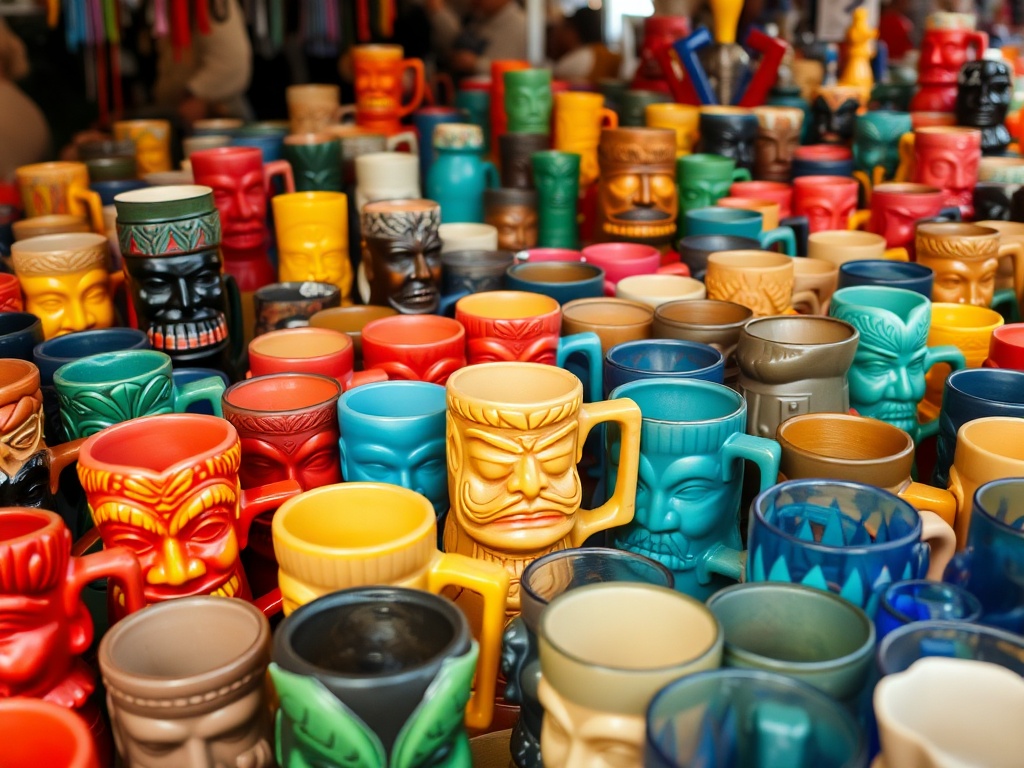
Start With Form, Not Branding
Most beginners flip mugs over immediately looking for a stamp. That’s a mistake. By the time you rely on branding alone, you’re already competing with everyone else who knows the same names.
Instead, train yourself to recognize form first. Look for:
- Unusual silhouettes that break away from standard barrel or face shapes
- Hand-sculpted asymmetry rather than machine-perfect symmetry
- Depth in carving—true dimensionality, not shallow impressions
The mugs that age well in value tend to stand out visually even without context. If it looks like it took real effort to design, that’s your first signal.
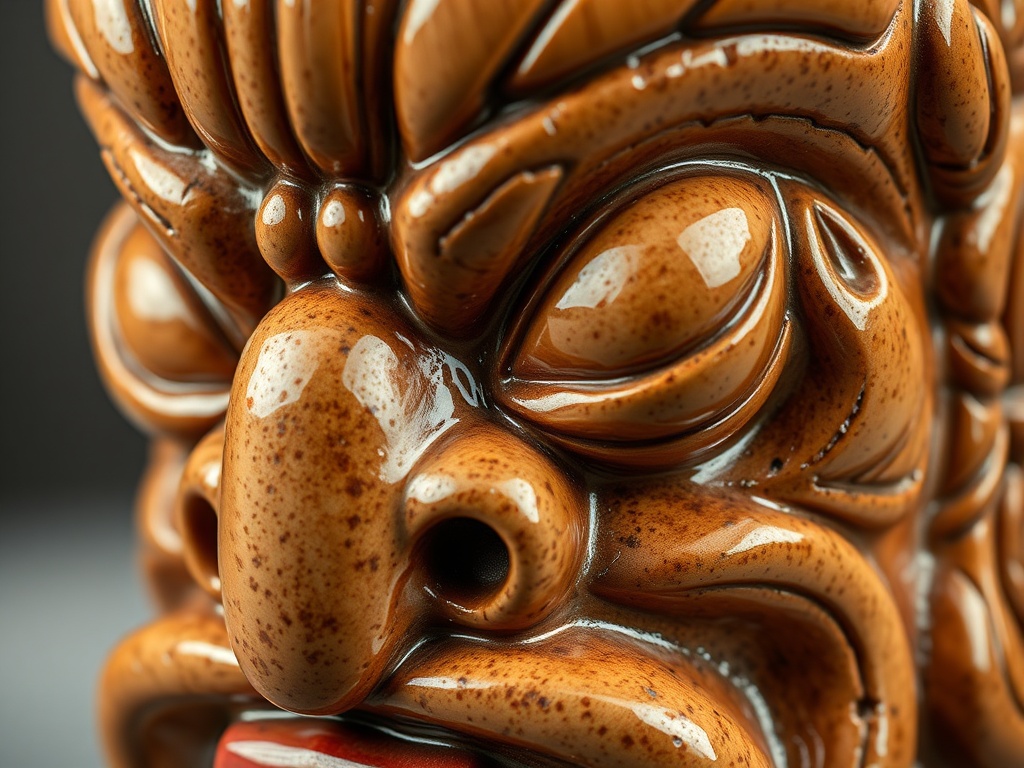
Glaze Tells a Bigger Story Than You Think
Glaze isn’t just color—it’s history. Collectors who know glaze can often identify era, production style, and even specific makers without flipping the piece.
Watch for:
- Layered glazing where multiple tones blend naturally
- Intentional imperfections like pooling or drip patterns
- Matte vs. high-gloss contrast used strategically
Mass-produced mugs often look “too clean.” The more character a glaze has, the more likely it came from a smaller run or a more thoughtful production process.
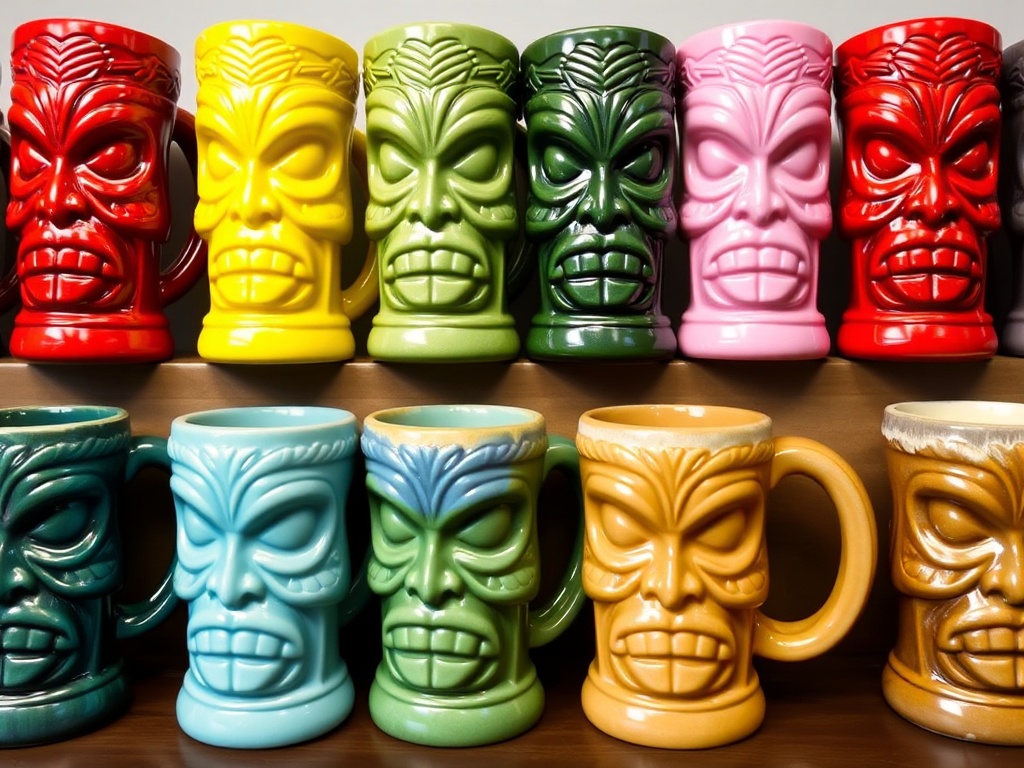
Weight and Feel Matter More Than You Expect
Pick up everything. Seriously. Experienced collectors rely heavily on tactile cues.
A valuable mug often has:
- Heft—not heavy for the sake of it, but solid and balanced
- Texture that feels intentional, not slick or overly polished
- Thickness variation that hints at hand-finishing
Cheap mugs tend to feel hollow or overly uniform. The moment something feels different in your hand, that’s your cue to investigate further.

Know the Quiet Makers
Everyone knows the headline names. The real opportunities live in the second tier—the artists and small studios that haven’t hit mainstream demand yet.
These mugs often:
- Have smaller production runs
- Experiment more with form and glaze
- Fly under the radar at shows and online listings
Spend time in collector forums, follow emerging artists, and pay attention to pieces that spark discussion but haven’t spiked in price yet. That’s where growth happens.
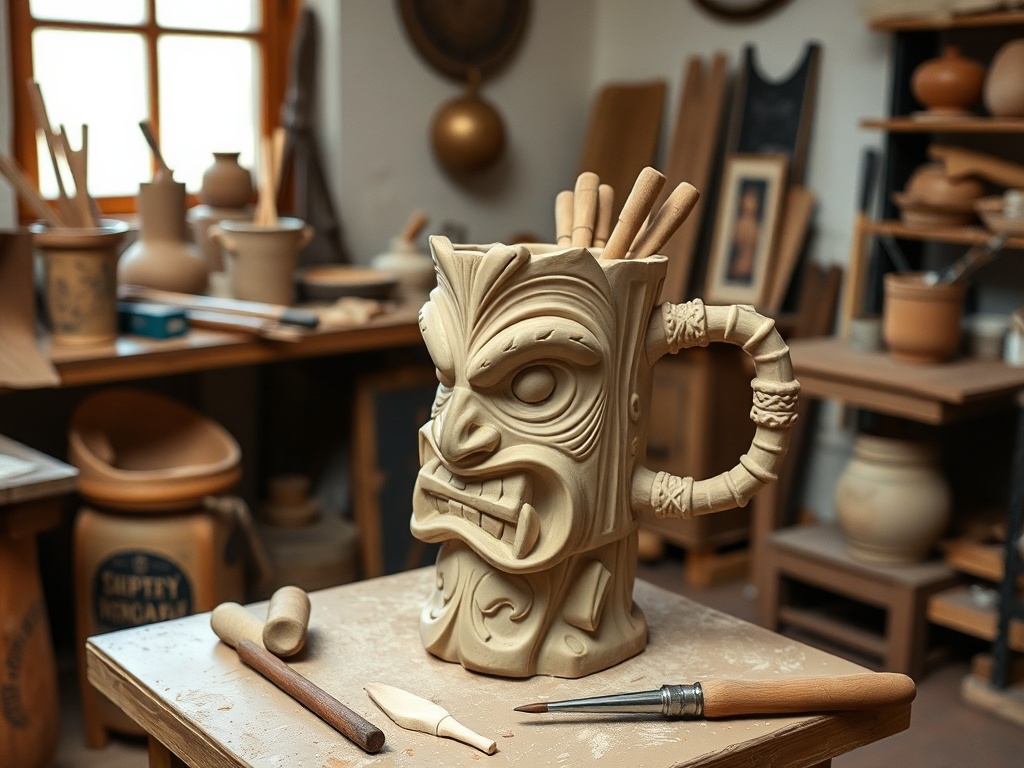
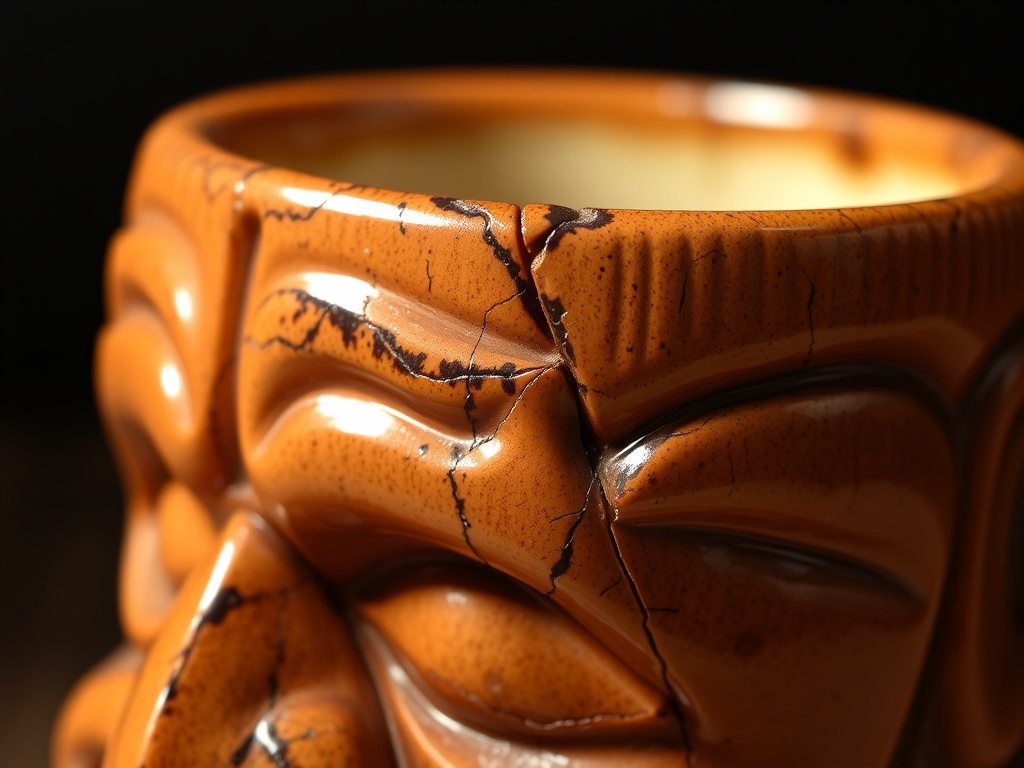
Condition Is Subtle—Look Beyond Chips
Most people check for obvious chips and cracks and move on. That’s basic. The real assessment goes deeper.
Look for:
- Hairline fractures that only appear under angled light
- Glaze wear on high-contact areas
- Base ring damage from repeated use
A mug in near-perfect condition can command multiples of the same piece with minor wear. Conversely, a rare mug with subtle flaws can still be a great buy if priced accordingly.
Context Clues: Where You Found It Matters
The setting tells you a lot. A mug sitting in a curated vintage shop has already been filtered. One buried in a mixed box at a garage sale hasn’t.
Prioritize:
- Estate sales with eclectic collections
- Vendor tables that aren’t tiki-focused
- Mixed lots where items are undervalued as a group
The less curated the environment, the higher your chance of finding something overlooked.

Timing Beats Knowledge (Sometimes)
You can know everything and still miss out if you’re late. Early access is a real advantage.
Strategies that work:
- Arrive early—or stay late when vendors discount
- Build relationships with sellers who give you first looks
- Monitor listings during off-hours when competition is low
Consistency here compounds. The collectors who win aren’t always the smartest—they’re the most present.

Don’t Chase Trends—Read Them
Trends in tiki collecting move in waves. Certain styles spike, plateau, then stabilize.
Instead of chasing what’s already expensive, ask:
- What design elements are gaining attention?
- Which artists are being discussed more frequently?
- What styles are underrepresented in current collections?
Buying just ahead of a trend—not at its peak—is where value is created.
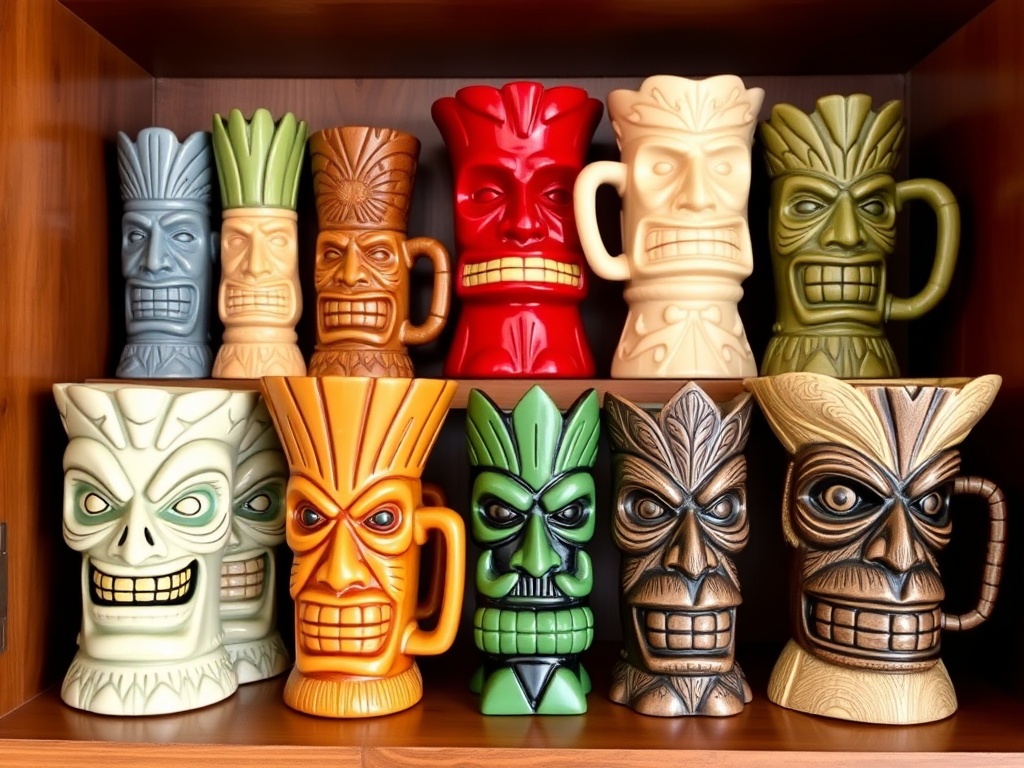
Build an Eye, Not Just a Collection
The best collectors aren’t just accumulators—they’re editors. They develop a point of view.
That means:
- Passing on pieces that don’t fit your direction
- Upgrading over time instead of hoarding
- Learning from every purchase, good or bad
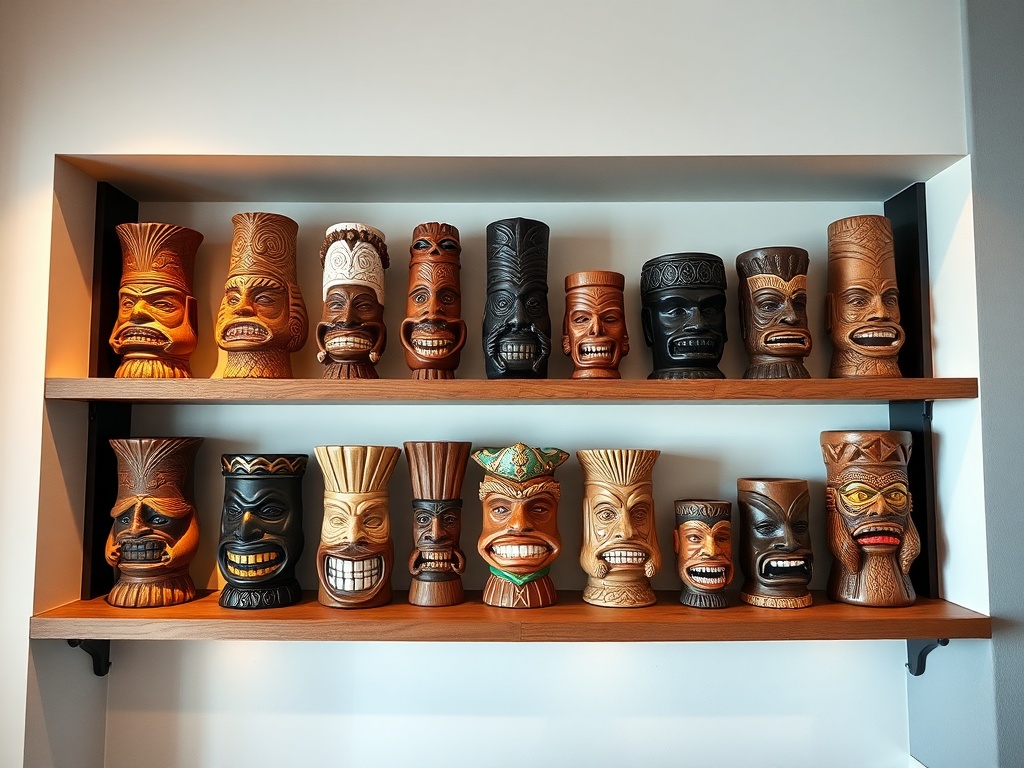
Your collection should start to look intentional. When it does, your ability to spot value improves naturally.
The Bottom Line
Finding valuable tiki mugs before everyone else isn’t about secrets—it’s about attention. The details are always there: in the shape, the glaze, the weight, and the context.
Train your eye, stay consistent, and trust your instincts when something feels different. That’s usually where the story begins.