The Ultimate Guide to Collecting Tiki Mugs: From Classic to Modern Finds

Introduction to Tiki Mugs
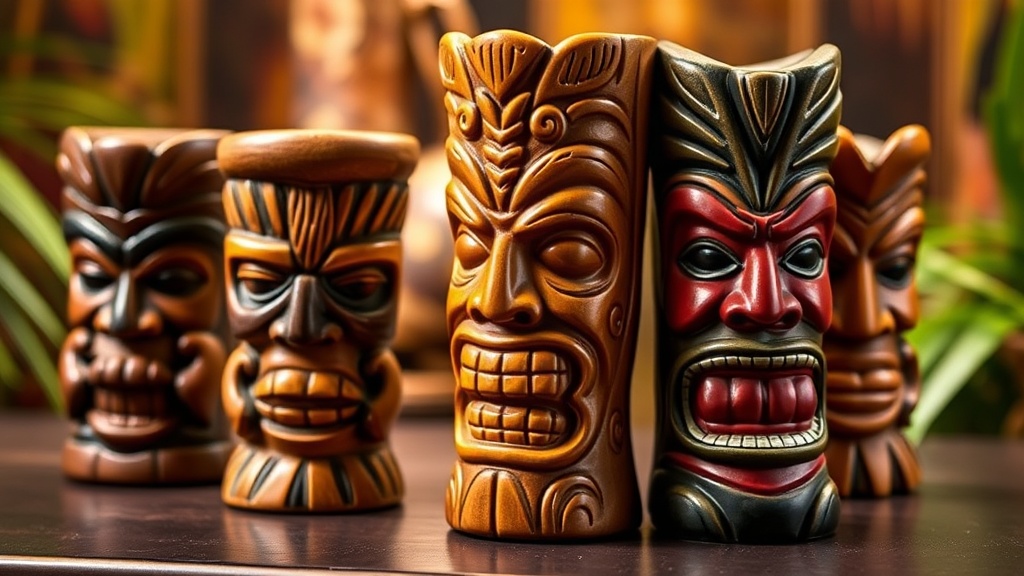
Tiki mugs are more than just decorative pieces — they are a fascinating intersection of culture, craftsmanship, and nostalgia. From their origins in the mid-20th century to the vibrant collectibles market today, Tiki mugs have captured the hearts of enthusiasts worldwide. Whether you're new to the world of Tiki mugs or a seasoned collector, this guide will take you through everything you need to know about these iconic items.
Understanding the History of Tiki Mugs
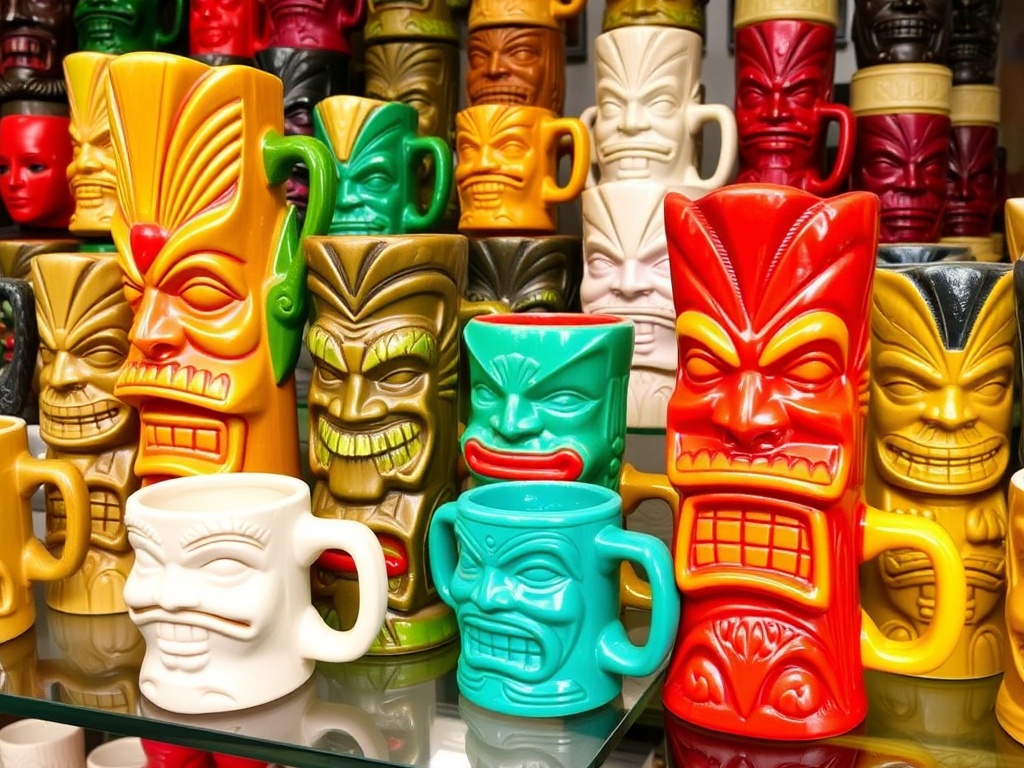
To truly appreciate Tiki mugs, it's essential to understand their roots. The Tiki trend emerged in the United States in the mid-1900s, inspired by Polynesian pop culture. This movement was heavily influenced by the escapism of the era, which embraced an exotic aesthetic inspired by the South Pacific. Tiki bars, like Trader Vic's and Don the Beachcomber, became cultural hubs that served cocktails in elaborate mugs that represented the romanticized idea of tropical islands.
Over time, Tiki mugs evolved in design and usage, gaining a loyal following. Today, collectors seek vintage mugs that date back to the 1950s and 1960s, with specific brands like Wade and Munktiki holding significant value.
Modern Tiki Mugs: What’s Hot in the Collectible Scene
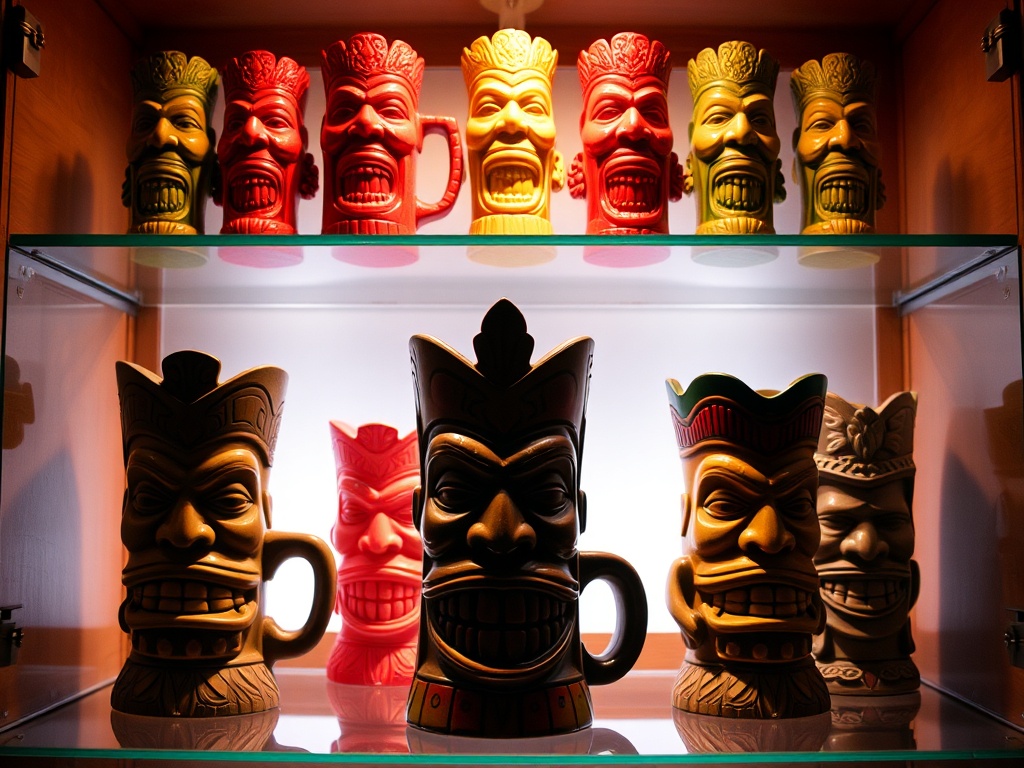
While the classic mugs remain highly sought after, modern Tiki mugs have also found their place in the market. Today's mugs range from reproductions of original designs to innovative new pieces created by contemporary artists. The rise of the craft cocktail scene has spurred a renewed interest in Tiki culture, making the market for both vintage and modern mugs more vibrant than ever.
Newcomers to the world of Tiki mugs may be surprised to learn that some modern pieces can fetch high prices. For example, limited-edition releases from brands like Shag and Bearded Clam are incredibly popular among collectors.
How to Start Your Tiki Mug Collection
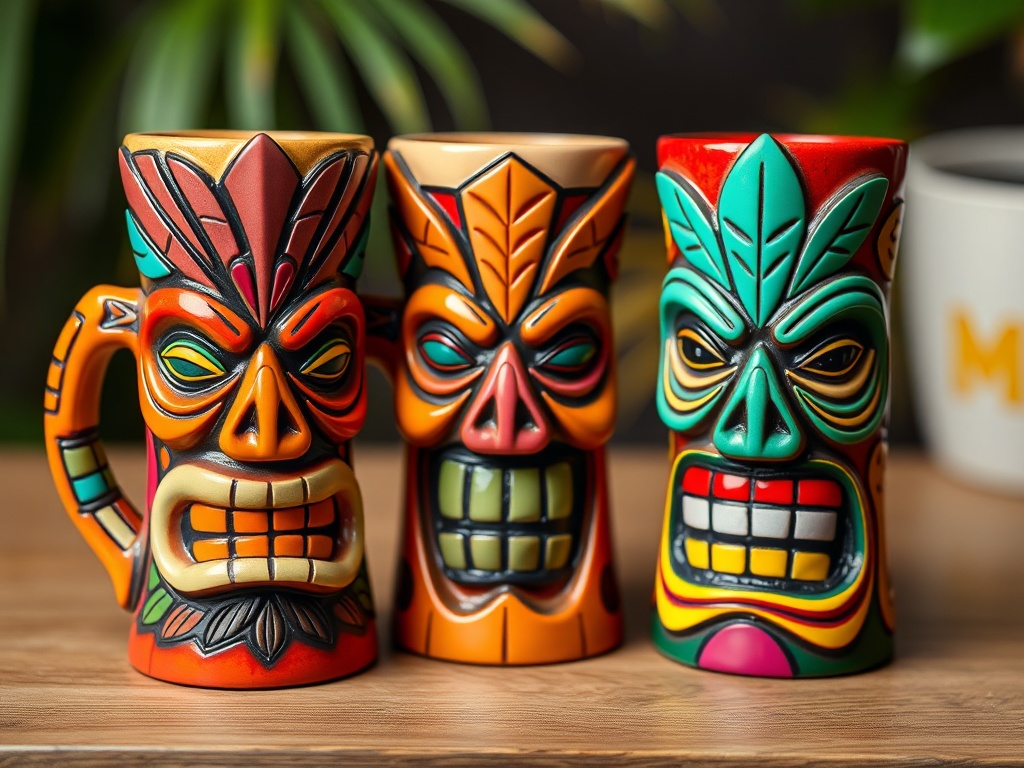
If you're just beginning your collection, it's important to start with a clear focus. You might want to specialize in a particular type of mug, such as those from a specific bar or brand. Alternatively, you could focus on collecting mugs that feature certain motifs, like tiki gods, animals, or tropical plants.
For new collectors, it's also important to familiarize yourself with the pricing trends in the Tiki mug market. Some mugs may only cost a few dollars, while others can run into the hundreds or even thousands depending on their rarity and condition.
Where to Buy Tiki Mugs
Finding Tiki mugs can be both a fun and rewarding hunt. You can find them at a variety of places:
- Online Marketplaces — Websites like eBay, Etsy, and specialized Tiki forums are excellent places to find Tiki mugs from all eras. Be sure to check the seller’s reviews and ratings before making a purchase.
- Thrift Stores & Estate Sales — Many collectors have found rare mugs at secondhand shops or estate sales. These venues can be goldmines for vintage items at a fraction of the price.
- Specialty Shops — Some boutique stores specialize in Tiki culture and may carry a range of new and vintage mugs.
Maintaining Your Tiki Mug Collection
Once you've started your collection, it's essential to take care of your Tiki mugs to preserve their condition and value. Here are a few tips:
- Cleaning — Always hand wash your Tiki mugs with mild soap and water. Avoid using abrasive scrubbers or placing them in the dishwasher, as this can damage the design or finish.
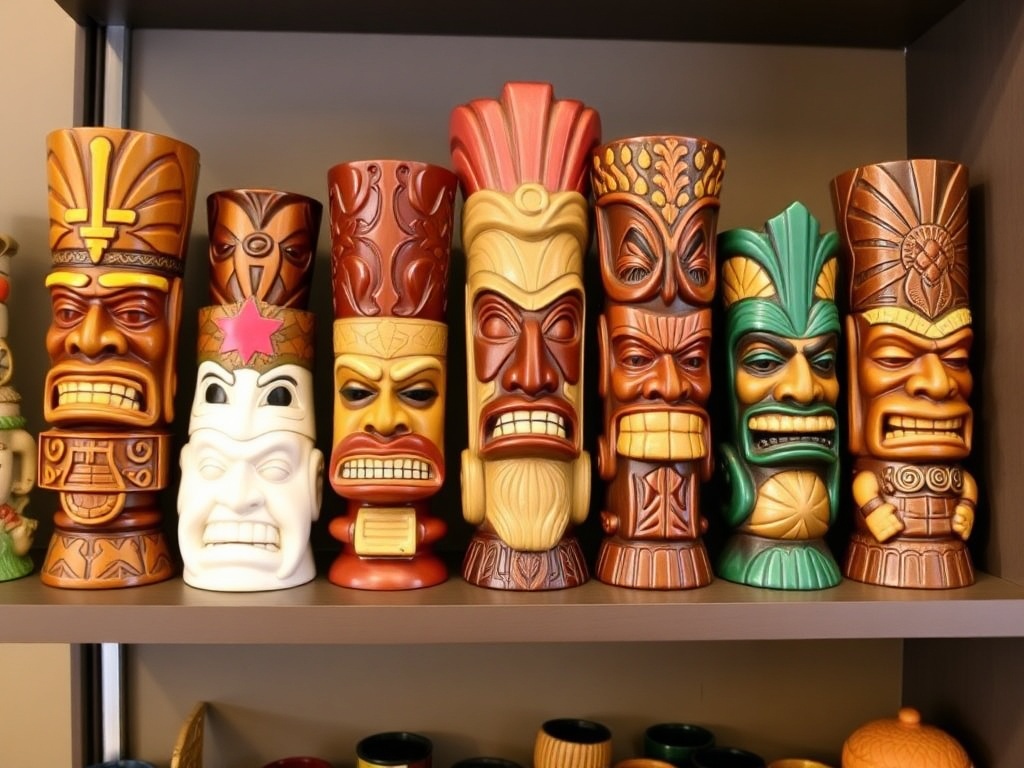
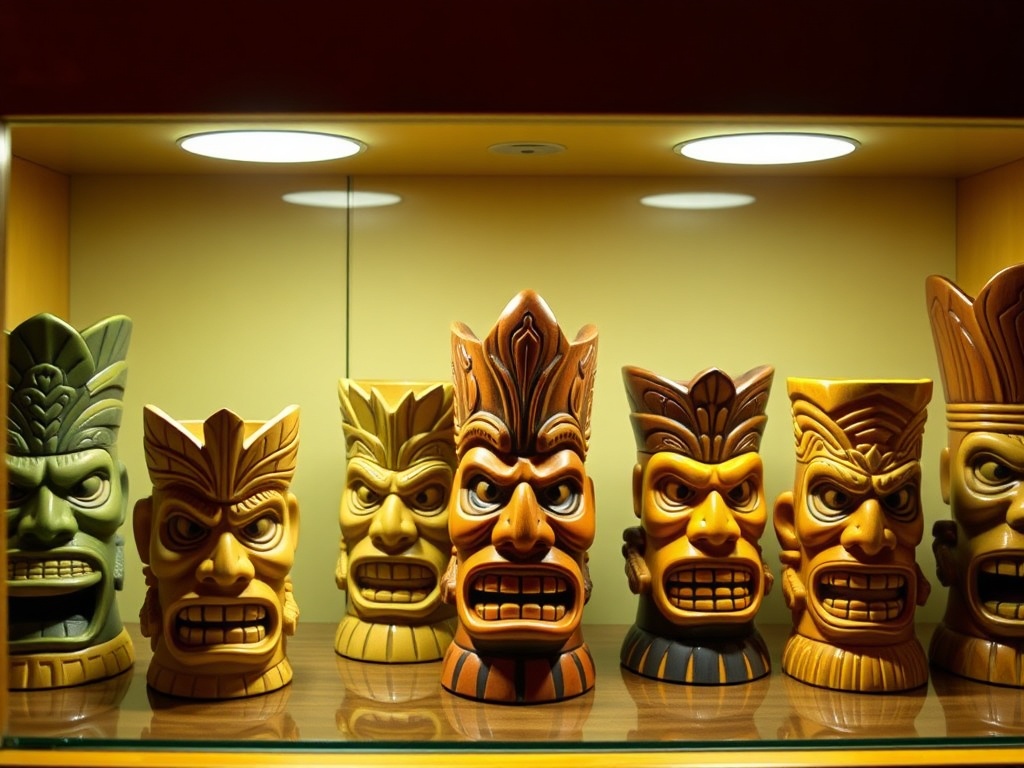
- Display — Display your mugs in a safe, dry area where they won’t be exposed to direct sunlight, which can cause fading. Shelves with glass doors are ideal for both display and protection.
- Storage — If you need to store your mugs, keep them in padded boxes to prevent chipping or breaking.
Conclusion
Whether you are drawn to the nostalgic charm of vintage Tiki mugs or the artistic innovation of modern pieces, collecting Tiki mugs is a rewarding hobby. With a little knowledge and dedication, you can create your own collection that tells the story of Tiki culture and its evolution over time.