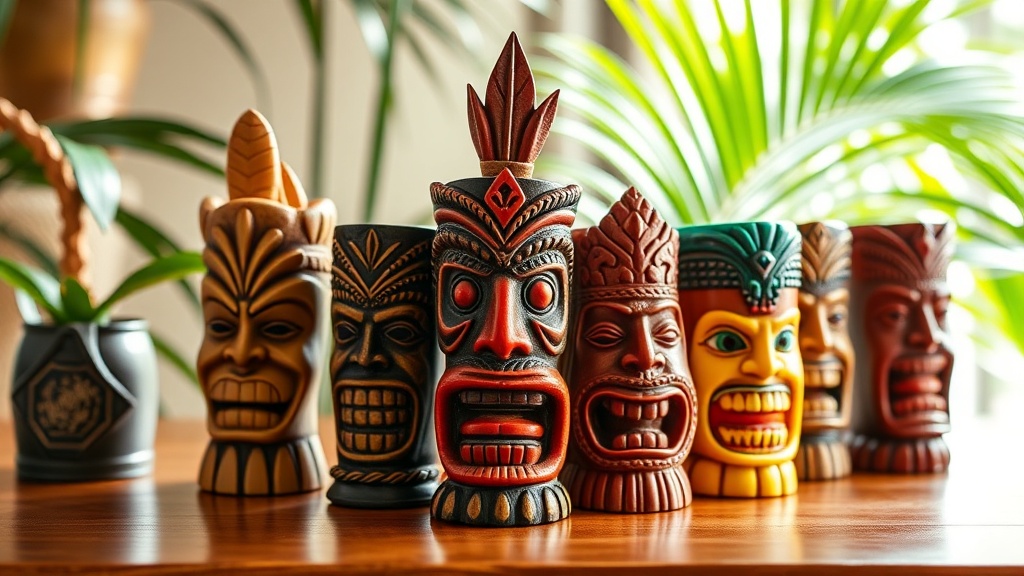
5 Clever Ways to Display Your Tiki Mug Collection at Home

Install Floating Shelves with Lip Rails
Use a Backlit Glass Cabinet
Build a Themed Tiki Bar Nook
Rotate Seasonal Mugs on a Tiered Stand
Mount Shadow Boxes for Rare Pieces
Tiki mugs aren't just drinkware—they're sculptural art pieces, souvenirs from legendary bars, and conversation starters all rolled into one. If you've been stacking them in a kitchen cabinet or hiding them in a closet, you're missing half the point. A good display doesn't just protect ceramics from chips and dust; it turns a private hobby into a daily source of joy. This post covers five clever ways to display tiki mugs at home so they stay safe, look stunning, and become the centerpiece of any room. Whether you own three vintage pieces or three hundred limited editions, there's a display method here that'll work for your space and budget.
What Are the Best Shelves for Tiki Mug Collections?
The best shelves for tiki mug collections are shallow floating shelves or picture ledges that keep mugs visible while preventing them from being knocked over. Deep bookcases waste space and hide the back row, so look for ledges with a three- to four-inch depth—just enough for a standard mug base without inviting clutter. The IKEA LACK floating shelf remains a favorite among collectors because it's affordable, comes in lengths up to 74 inches, and holds about 33 pounds per shelf. For a warmer look, West Elm's Floating Wood Shelves offer solid mango wood with hidden brackets that don't interrupt clean sightlines.
Spacing matters more than you might think. Leave twelve to fifteen inches of vertical clearance between shelves so taller pieces—like the towering Tiki Farm Krakatoa or Munktiki limited releases—fit without grazing the shelf above. Here's the thing: grouping mugs by artist, glaze color, or the bar they came from (Trader Sam's, The Mai-Kai, Smuggler's Cove) turns a storage wall into a curated gallery. That said, avoid overloading any single ledge. A crowded shelf looks messy and increases the risk of chips when dusting. Aim for three to five mugs per linear foot, depending on their girth.
Consider the rule of thirds when arranging mugs. Place the tallest piece slightly off-center, flanked by two shorter companions. It sounds fussy. It works. The eye travels naturally across an uneven grouping, whereas a rigid line of identical-height mugs reads like a supermarket shelf. Mix textures too—a rough, volcanic glaze next to a high-gloss finish creates contrast that keeps the display interesting from across the room.
Installation isn't complicated, but it demands care. Locate studs when possible, especially for heavier ceramic collections. A stud finder costs less than one replacement mug and takes two minutes to use. If studs don't line up with your vision, toggle bolts rated for 50 pounds or more will keep shelves secure in drywall. (Just don't trust plastic wall anchors with anything you care about.)
How Do You Light a Tiki Mug Collection Without Damaging the Glazes?
You light a tiki mug collection by using LED strip lights or puck lights that emit very little heat and no UV radiation, which protects the glazes from fading over time. Incandescent and halogen bulbs get surprisingly hot—even through glass doors—and ceramic glazes can craze or discolor after prolonged exposure. Philips Hue Lightstrip Plus strips work well because they run cool, dim easily, and come in warm white tones (around 2700K to 3000K) that make tropical colors pop without washing them out.
Govee LED strips are another solid option at a lower price point, though they lack the smart home integration that Hue offers. The catch? Cheap LEDs sometimes flicker on camera, which matters if you post collection photos to Instagram or TikTok. Worth noting: battery-powered puck lights (like the ones from Brilliant Evolution) eliminate wiring entirely and stick to the underside of shelves in seconds. They're perfect for renters or anyone who rearranges frequently.
| Lighting Type | Heat Output | UV Risk | Best For |
|---|---|---|---|
| LED Strip Lights | None | None | Backlighting shelves |
| LED Puck Lights | Minimal | None | Spotlighting individual mugs |
| Halogen Track Lights | High | Low to Moderate | Avoid for ceramics |
| Natural Window Light | None | High | Rotate mugs often |
Direction matters as much as bulb type. Top-down lighting creates harsh shadows inside deep mugs, while uplighting (placing strips on the shelf below, aimed up) highlights contours and textures. For glass-front cabinets, consider lining the interior frame with LEDs so the light wraps around each piece. Shadows become part of the drama—tiki mugs were designed to look mysterious. A well-lit mug at 10 p.m. casts silhouettes that transform a boring hallway into something that feels like a secret bar entrance. Lighting changes everything.
Can You Display Tiki Mugs Without Damaging Rental Walls?
Yes—you can display tiki mugs without drilling holes by using bar carts, bookcases, or modular pegboard systems that lean or stand independently. Renters in Richmond, Vancouver, or anywhere with strict lease terms don't have to choose between a security deposit and a beautiful collection. The IKEA KALLAX cube storage unit is practically built for this. Turn it horizontally, place one cube facing the room per shelf, and each compartment becomes a mini stage for two to three mugs. It's stable, low-profile, and moves with you.
Bar carts add another layer of flexibility. The Target Threshold Cooper Bar Cart has a mid-century vibe that pairs surprisingly well with tiki aesthetics, and its two tiers let you separate everyday drinkers from display-only pieces. You can wheel it out during parties and tuck it against a wall the rest of the time. Bar carts also solve the where-do-the-straws-go problem. The lower tier can hold cocktail books and a bottle of Plantation Pineapple rum while the upper tier showcases your favorite mug. It's functional décor—everything you need for a Friday night Mai Tai lives in one compact footprint.
Wall Control metal pegboards offer a more industrial look—hooks and shelves snap into place without tools, and the whole panel hangs on a single picture-rail hook or leans on a dresser. (Heavy collections should lean, not hang, unless you're using a real stud.) Here's the thing about adhesives: don't use Command strips, sticky putty, or suction cups for ceramic mugs. Ceramic is heavy. Full stop. The weight distribution on a tiki mug—top-heavy, often asymmetrical—pulls unevenly on adhesive pads. Sooner or later, gravity wins.
Are Shadow Boxes and Curio Cabinets Worth the Investment?
Shadow boxes and curio cabinets are absolutely worth the investment for rare, vintage, or signed tiki mugs that need protection from dust, pets, and accidents. If you own a piece from the original 1960s Don the Beachcomber line or a signed Doug Horne limited run, keeping it behind glass isn't paranoia—it's preservation. The IKEA FABRIKÖR glass-door cabinet has adjustable shelves, a locking door, and a price tag under $300, making it one of the most accessible options for serious collectors.
Michaels sells deep shadow boxes (up to three inches of interior depth) that work beautifully for single statement pieces. Mount one above a bar area with a small LED puck inside, and you've created a museum-quality vignette. That said, not all glass is equal. Regular window glass blocks some UV, but UV-filtering acrylic or museum glass blocks up to 99 percent. It's worth the upgrade for pieces displayed near windows or under bright room lighting.
Humidity control matters too, especially in basements or coastal climates. Toss a small silica gel packet into the corner of a curio cabinet and replace it every few months. Condensation inside a closed cabinet can cause glaze bubbling or metal bail damage on older mugs. A hygrometer costs about ten dollars and takes the guesswork out of the equation.
What's the Smartest Way to Rotate a Growing Collection?
The smartest way to rotate a growing tiki mug collection is to treat display space like gallery real estate—swap pieces seasonally, by theme, or after each new acquisition. Most collectors don't have room to show everything at once, and that's not a problem. It's an opportunity. Store off-rotation mugs in acid-free tissue paper inside sturdy plastic bins (Sterilite or IRIS Weathertight containers work well), and keep those bins in a closet away from direct sunlight and temperature swings.
Rotate with intention. Summer might feature bright, tropical glazes and surf-bar mugs from Tiki Oasis in San Diego. Winter could shift toward darker, volcanic-themed pieces and limited Halloween releases. Some collectors in the Richmond area rotate monthly, posting their new arrangements to local Facebook groups to spark conversation and trades. The ritual of rearranging keeps the hobby fresh without requiring new purchases.
When swapping pieces, inspect each mug for dust, sticky residue, or hairline cracks. A soft makeup brush (unused, obviously) reaches into narrow necks better than a feather duster. If a mug has been used for cocktails, wash it gently by hand—never in the dishwasher—and let it dry completely before returning it to storage or display. Water spots on matte glazes are stubborn.
Finally, document what you own. Photograph each mug against a neutral background and keep a spreadsheet with the artist, edition size, acquisition date, and current location (displayed vs. stored). Some collectors use spreadsheet apps; others prefer dedicated inventory software like Sortly or Collectr. The platform doesn't matter. Consistency does. Update the log the same day a new mug arrives, before it gets lost in the shuffle of daily life. A quick photo on a white poster board in natural light takes thirty seconds and saves hours of hunting later.
There's no single right way to show off tiki mugs. The best display fits your home, respects your budget, and lets you enjoy the art daily. Start with one shelf, add light, and let the collection tell its own story.